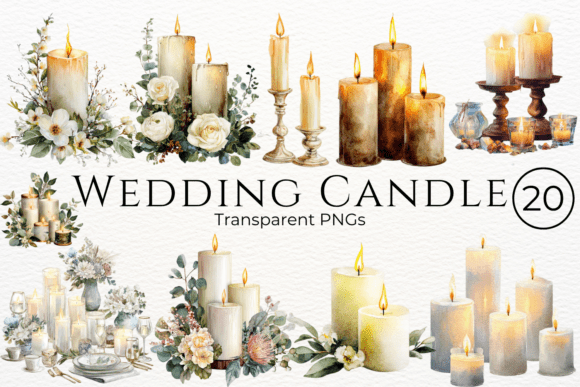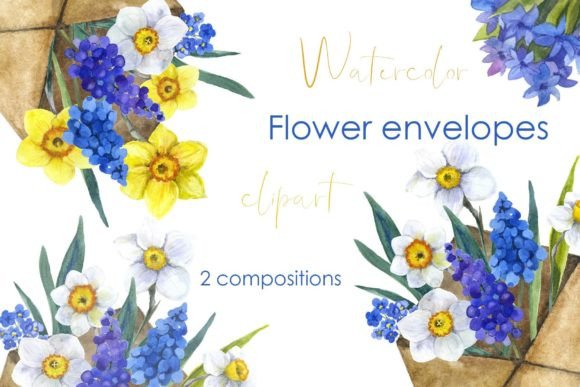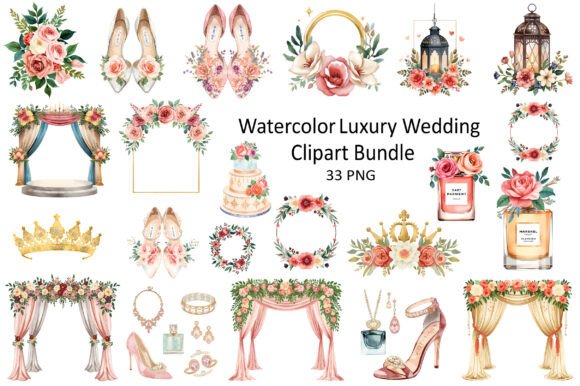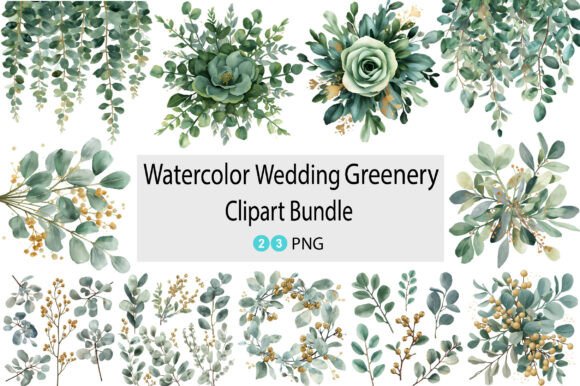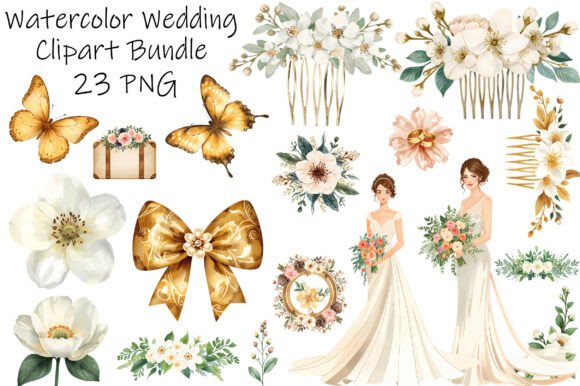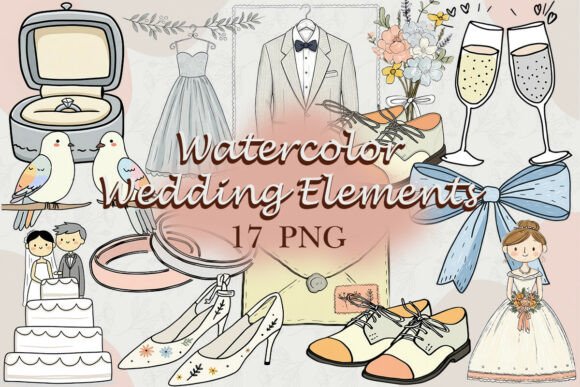
Watercolor Wedding Elements PNG: Artistic Touches for Every Design
There’s something undeniably romantic and timeless about watercolor art. The soft, blended washes, the organic textures, and the gentle imperfections evoke a sense of handcrafted elegance that’s hard to replicate with digital tools alone. For designers, entrepreneurs, and creatives working on wedding-related projects, capturing that authentic, artistic feel is often a top priority. This is where a high-quality resource like a Watercolor Wedding Elements PNG collection becomes an invaluable part of your design toolkit. It bridges the gap between traditional artistry and modern digital workflow, allowing you to infuse your work with that sought-after aesthetic without needing to pick up a paintbrush.
Understanding the Digital Asset
At its core, this type of asset is a digital illustration file. You receive a single, high-resolution PNG file—typically 5000x5000 pixels at 300 DPI. This specification is crucial for professional use. The generous dimensions ensure your elements remain crisp and clear whether they’re scaled down for a delicate invitation detail or used as a large background on a poster. The 300 DPI resolution is the standard for print quality, meaning designs will look sharp on physical products. Perhaps the most practical feature is the transparent background. This allows the watercolor elements—be it floral arrangements, delicate borders, ornate frames, or decorative swirls—to be seamlessly layered onto any color, photo, or pattern in your design software, acting as a versatile design asset rather than a static image.
From Digital File to Tangible Products
The true value of these elements lies in their application. For a small business owner launching a wedding stationery line, they can form the foundation of an entire brand identity. Imagine using a consistent floral watercolor motif across your save-the-dates, invitations, menus, and thank-you cards. This creates immediate visual consistency and brand recognition. The same element, with its transparent background, can be placed onto a mockup for a t-shirt, a mug, or a tumbler, helping you visualize and market merchandise effectively. Content creators and bloggers can use these elements to design stunning social media graphics that stand out in a crowded feed, create cohesive Pinterest pins, or add decorative accents to their website headers and blog post graphics. The applications extend to creating printable wall art, scrapbooking layouts, and even custom patches, making it a multi-faceted creative font for visual projects.
Strategic Integration for Brand and Marketing
Using decorative elements thoughtfully is key to maintaining a professional presentation. It’s not about slapping a watercolor splash on every surface. Instead, consider how these assets serve your project’s goals. For branding, a single, well-chosen watercolor flourish can become a signature element, enhancing brand recognition without overwhelming your core message. In logo design, a subtle watercolor texture behind a clean sans-serif or serif font can add depth and personality, making the logo feel more approachable and artistic. For packaging design, these elements can highlight product names or create beautiful, artisanal-looking labels. On websites and blogs, they can be used as section dividers, background textures for quote blocks, or accents that guide the reader’s eye, improving visual flow and engagement. The key is balance—letting the watercolor art complement your typography and core message, not compete with it.
Making Smart Design Choices
When incorporating watercolor elements, think about pairing and context. A bold, modern display font might clash with an ultra-delicate watercolor script, while a classic serif typeface could create a beautiful, timeless harmony. Always test your font pairings with the watercolor elements in place to ensure readability isn’t compromised, especially for body text. Review the included styles in your PNG pack—do they offer variety in scale and complexity? Having a mix of large statement pieces and small, subtle accents gives you flexibility for different applications, from a full-page poster background to a tiny icon on a business card. Finally, always verify the commercial licensing. A premium font or design asset with clear commercial use rights is essential for anyone selling products or using the designs in client work, ensuring you can grow your business or portfolio with confidence. This practical approach transforms a beautiful digital file into a powerful tool for visual communication and creative expression.